
It is not the brand that pushes people away. It is that moment when the site starts feeling confusing, and nobody wants to stop and untangle it.
It might be a menu that asks too many questions. A page that feels crowded. A next step that is not clear. These small moments shape behavior faster than copy or visuals ever will.
Website structure quietly decides how people move, what they notice, and when they stop paying attention. It also decides whether traffic from ads or influencers actually turns into anything useful. That is why structure matters more than most teams expect.
This is also where the right partner makes a difference. Not just someone who builds pages, but someone who understands how behavior works once people arrive. That is where Aqva Marketing comes in.
What Website Structure Really Is
Website structure is not about style. It is about order.
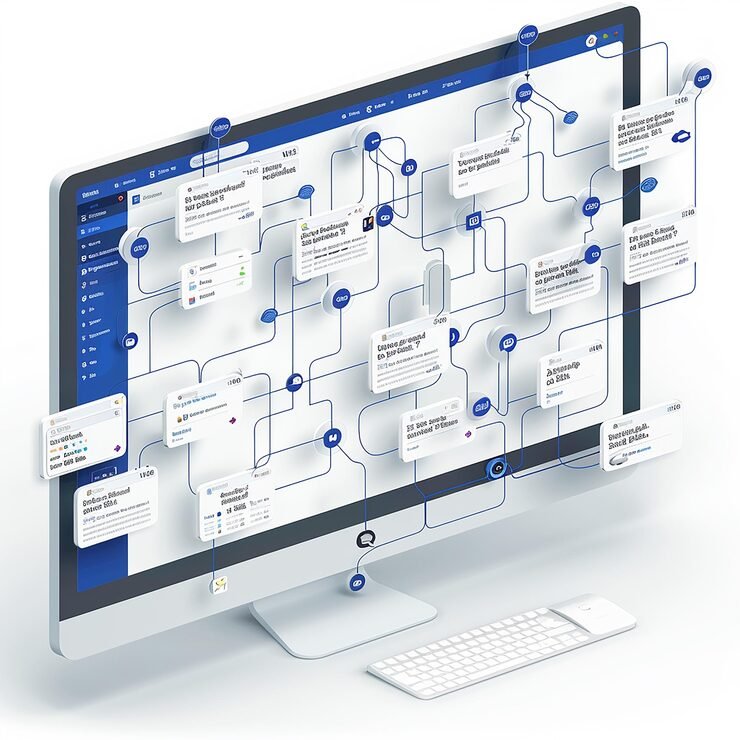
It is how pages are grouped, how links guide movement, and how information unfolds. A good structure does not announce itself. People just move through it without thinking.
When structure feels natural, visitors explore more. They scroll longer. They click deeper pages without hesitation. Nothing feels hidden or misplaced.
When the structure is weak, the opposite happens. Users hesitate. They backtrack. They leave. Not because they lost interest, but because the site asks them to work harder than they expected.
That friction adds up quickly.
How Navigation Shapes Decisions
Visitors form an opinion almost right away, even if they never put it into words.
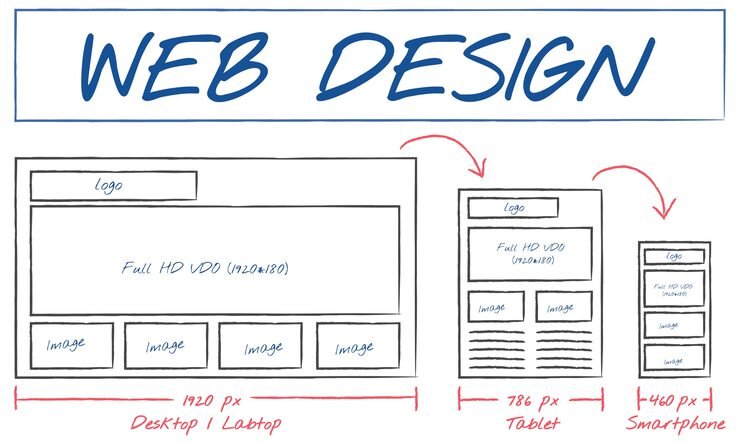
Clear menus help people relax. Predictable page layouts create comfort. Mobile layouts that behave properly show respect for the user’s time. These details shape trust without needing explanation.
People care less about clever layouts and more about knowing where things are. Familiar patterns let them move without thinking.
That comfort is what brings people back.
When Structure Supports Marketing
Marketing brings attention. Structure decides whether that attention stays.
This becomes obvious with influencer traffic. Visitors coming from creators arrive curious, not patient. They expect clarity. If a landing page feels scattered or slow, they leave without a second thought.
When structure supports the message, users stay longer and engage naturally. Influencer traffic feels welcome instead of misplaced. Nothing feels forced.
Good structure does not sell. It supports the sale by staying out of the way.
Why Aqva Marketing Fits This Role
Aqva Marketing builds websites around how people actually move and decide. Pages are planned with flow in mind. Navigation is treated as a guide, not decoration.
This approach places Aqva Marketing among the best web development companies for brands that care about usability and performance. Many clients also see them as a top web development company when structure needs to support growth instead of just appearance.
Beyond websites, Aqva Marketing supports influencer campaigns through social media takeovers, affiliate programs, contests, brand ambassador work, sponsored blogs, and guest content.
What matters is how everything connects. Influencer traffic is sent to pages built for clarity. Navigation supports action. The site feels ready for attention instead of being surprised by it.
Conclusion
Website structure shapes user behavior whether anyone is watching or not. It influences trust, time spent, and decisions in quiet ways. When structure supports marketing, results feel smoother and more predictable.
Aqva Marketing, the best web development company, helps brands connect thoughtful website structure with influencer marketing so traffic has somewhere clear to go. For businesses tired of guessing why users leave, working with Aqva Marketing is a practical next step.