
Introduction
You might be wondering how posting every day somehow leads to fewer people seeing your content. It feels backward. The effort is there. The calendar is packed. Yet reach keeps slipping. Many business teams stare at their dashboards, thinking something must be broken. Daily posting used to feel safe. Now it feels unreliable. This shift has pushed brands to look beyond routines and toward strategy. Some even end up looking for a Top Social Media Marketing Company once it sinks in that posting more is not fixing anything. It is a simple realization, but not a comfortable one. Platforms changed their priorities. And brands that did not change with them are paying for it in silence.
The Myth of Daily Posting Equals Growth
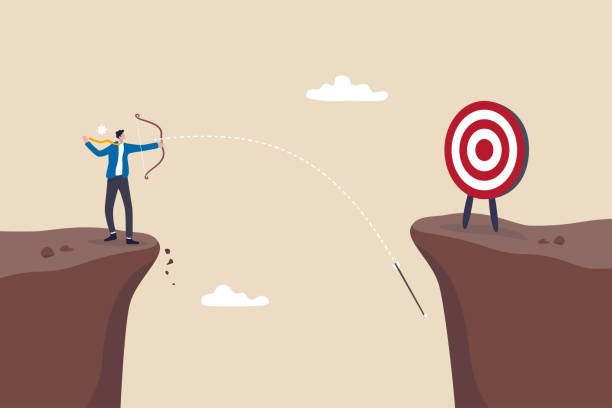
For years, consistency was treated like a shortcut to visibility. Show up daily, and the algorithm will notice. Interestingly enough, that promise faded quietly. Platforms now pay more attention to how people react than how often a brand posts.
If users scroll past content without stopping, that signal matters. If videos are abandoned early, that matters too. Posting every day does not help if the audience is not responding. In some cases, it makes things worse. Feeds are crowded. Many brands post similar ideas, similar visuals, and similar offers. When everything blends together, attention disappears. Algorithms follow attention. Not schedules.
Why Reach Keeps Slipping
Algorithms Do Not Sit Still
Social platforms adjust constantly. Organic distribution has tightened, especially for business pages. Content now earns reach by holding attention, not by showing up often.
Too Much Content Everywhere
Millions of posts go live every minute. Even good ideas struggle when timing and relevance miss the mark. Quality alone does not guarantee visibility anymore.
Low Interaction Signals
If posts do not spark comments, saves, or shares, reach fades. This usually happens quietly, making brands think posting more will fix it.
Generic Messaging
Content made for everyone rarely connects deeply with anyone. Audiences respond when posts feel personal and intentional.
These are the reasons many brands eventually turn toward Top Social Media Marketing Companies that study behavior instead of guessing.

What Actually Works Now
Posting still matters, but intention matters more. Brands that recover reach usually slow down before they speed up again. They study audience habits, posting windows, and content patterns.
Short videos, platform native formats, and timely topics travel further when handled with care. Tracking performance helps teams course-correct early instead of repeating the same mistake for weeks.
This is not about posting less for the sake of it. It is about posting smarter. Aqva Marketing builds strategies around real viewing behavior, not assumptions. Content decisions come from data, not pressure to stay busy.
How Aqva Marketing Approaches Reach Differently
Aqva Marketing starts with clarity. Every single brand has its set of audiences, goals, and challenges. Strategies are only formed around those realities.
Content roadmaps come from analytics, trends, and performance signals. This helps brands gain visibility without exhausting their audience. Social media optimization services focus on relevance, timing, and interaction patterns.
Creative work and tracking move together. Visuals, captions, and formats are tested and refined continuously. Influencer collaborations and short video strategies are used where they make sense, not because they are popular. This balance allows brands to regain reach steadily rather than chasing quick spikes.
Conclusion
Daily posting no longer guarantees visibility. Platforms reward attention, reaction, and relevance now. Brands that rely on routine alone often feel stuck despite working harder than ever. Real progress comes from understanding how audiences behave and how platforms respond. For businesses ready to reverse declining reach and build consistency again, Aqva Marketing stands among the Best Social Media Marketing Companies to guide that shift. Reach does not disappear suddenly, and it rarely returns by accident. It comes back when strategy replaces habit.