
1. Introduction

There is a strange belief that refuses to fade. Many still whisper about keyword density as if it holds a hidden doorway to higher ranking. This old idea, often called the keyword density myth, sounds tempting at first. You repeat a phrase a set number of times, and the search engine sends your page to the top. You might be wondering if this little trick still works.
Aqva Marketing’s work helps clients leave old tricks behind and follow practices that search engines actually respect. In 2026, search engines will listen to something deeper. They read meaning, intent, and the way a reader moves through a page. Clarity matters. Relevance matters. User intent matters. Semantic SEO matters.
2. What Is Keyword Density: And Why It Once Mattered
Keyword density is a simple count. It measures how often a certain phrase appears in a set number of words. Early search engines used this pattern because they could not read context. They could only match words. Is keyword density a ranking factor today? The answer leans toward no.
Back then, repeating the same phrase again and again worked because the engine understood nothing else. Today, this feels like an abandoned haveli from a different time.
3. Why Keyword Density Is NOT a Ranking Factor (The Myth Debunked)
3.1 Google and SEO experts reject fixed keyword density rules
Search professionals have said for years that there is no fixed number that pushes a page upward. Guidance from trusted sources points to the same idea. Keyword density is not a ranking factor at all.
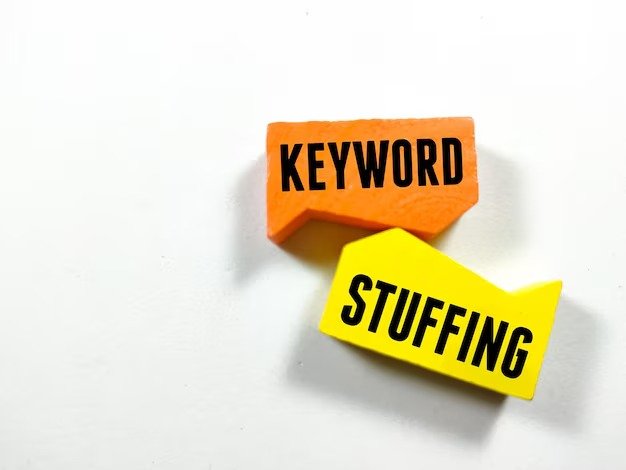
3.2 Over-optimization and keyword stuffing backfire
Keyword stuffing creates a strange reading experience. Sentences feel off. Meaning gets foggy. Readers leave. Search engines notice this pattern and treat it as a poor signal. Some call this spamdexing, and the name alone gives away why it harms trust.
3.3 Search algorithms evolved: semantic SEO, context, and intent matter more
Modern engines study the full picture. They understand synonyms, related phrases, and topic depth. This is where semantic SEO grows in importance. The system reads the page the way a person reads a story. It looks for related terms, natural flow, and search intent SEO signals.
4. What Really Matters for SEO in 2026: Ranking Factors That Work

From Keywords to Context: the Rise of Semantic SEO and Intent
Search engines look beyond simple terms. They look at the meaning and how the topic connects with the reader’s needs. Long tail phrases, natural synonyms, and topic understanding carry far more value than any fixed number.
On Page SEO and Content Quality: the Real Game Changers
Proper headings, meta tags, readable structure, and user value
On-page SEO best practices focus on clarity. Headings help readers move through the page. Meta tags give search engines a clear start. A page that reads well holds attention.
Mix of long tail and semantically related phrases
Writers who follow how to write SEO content 2026 guidance use a wide mix of related terms. SEO content guidelines steer writers toward natural flow and away from repeated exact phrases.
User Intent, Experience, and Engagement: What Google Rewards
Search engines follow reader behavior. If the page answers questions, holds attention, and guides with simple language, it stands out. Search intent guides the entire flow.
5. How a Modern SEO Partner Like Aqva Marketing Helps: Beyond the Density Trap
In Ava Marketing, we do not chase old numbers. We shape topic clusters, study semantic relevance, and write with reader comfort in mind. Our process starts with careful keyword research, moves into semantic clustering, and then into clear content creation rooted in user intent. On-page work and technical adjustments follow, along with regular checks that keep each page fresh. This friendly style helps clients step away from the density trap without fear of penalties.
6. Practical Checklist: How to Write SEO Content in 2026
- Place the main keyword in the title, URL, H1, early section, and meta description.
- Use long tail, semantic, and related terms naturally.
- Keep the page readable, with a clean structure and clear meaning.
- Avoid stuffing or forced repetitions.
- Follow on-page SEO steps like meta tags, alt text, internal links, and topic depth.
- Update content as needed to stay current.
7. Conclusion
Keyword density once ruled the early days, but now it reads like an outdated tale. Search engines favor relevance, user value, semantic depth, and clear structure. When confusion rises, we, Aqva Marketing, stand ready to guide the way. Think of us as the friend who helps you write for people first and search engines second.