
Imagine a world where your favorite celebrity from decades ago suddenly appears in a new commercial, or where every ad you see seems perfectly crafted as if the digital spokesperson knows you inside out. That world is no longer science fiction but a playground of deepfake technology. While marketers are welcoming this mammoth tool with open arms, the ethical dilemmas lurking in the shadows are just as mesmerizing as the technology itself.
The Muscles of Deepfake in Marketing
Deepfake technology, which uses AI to generate highly realistic digital simulations of people, has stunned everyone with its endless possibilities. This tool is not just another trend but is here to reshape the way brands interact with their audience completely.

1. Hyper-Personalized Advertising
Picture this: a virtual brand ambassador delivering a message that feels as if it was scripted just for you. Deepfakes makes this possible by allowing brands to create customized, highly engaging advertisements. These digital figures are not only charismatic but also never tire, ensuring consistent delivery every single time.
2. A Cost-Saving Dream
Producing quality content has always been a hectic task. With deepfake technology, brands can create captivating video ads without the need for expensive shoots or extensive post-production. Imagine entire campaigns created with a few lines of code mixed with clever artistry.
3. Icons Reborn
What if Marilyn Monroe could pitch a modern skincare brand or Albert Einstein could endorse a tech gadget? Deepfakes bring historical icons back into the spotlight, blending nostalgia with innovation. The emotional connection alone could make such campaigns unforgettable.
4. Interactive Experiences
Deepfakes are not limited to prerecorded ads. They can power real-time interactions, such as virtual influencers who chat with fans or guide customers through products. These experiences leave a lasting impression, turning passive viewers into active participants.
Ethical Quandaries That Can’t Be Ignored
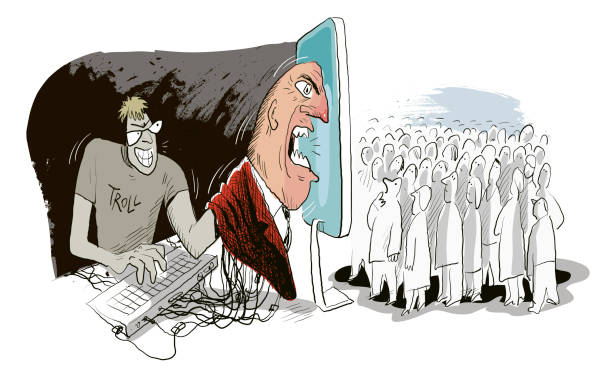
For all its glittering potential, deepfake technology carries an undeniable weight of responsibility. Its misuse could leave a bitter aftertaste in the minds of consumers.
1. The Line Between Creativity and Deception
The realism of deepfakes is a double-edged sword. While it can captivate, it can also deceive. Imagine finding out that the heartfelt testimonial you trusted was not even real. This level of manipulation risks breaking consumer trust, a vital currency in marketing.
2. Who Owns a Face?
One of the thorniest issues revolves around consent. Using someone’s likeness without their explicit permission is not just questionable, it could lead to legal nightmares. Even with consent, the ethical implications remain murky.
3. A Tool for the Wrong Hands
The same technology that creates endearing ads can also spread harmful misinformation. Fake endorsements or fabricated public statements could tarnish reputations and mislead consumers on a massive scale.
4. Authenticity Comes First
There is an increasing desire among consumers for genuine interactions with brands. Overreliance on deepfakes might backfire, as people crave sincerity over soulless perfection. The rope between innovation and alienation is very thin.
Walking the Tightrope: Innovation Greets Integrity
To unlock deepfake technology’s true potential without stumbling into ethical pitfalls, marketers must walk carefully.
Transparency is a must
Clearly stating that deepfake technology was used in a campaign is a must. When audiences are in on the secret, they are more likely to appreciate the creativity behind it.
Ethical Playbook
Every brand must practice the guidelines for the responsible use of deepfakes, valuing respect for individual rights and consent.
Staying on the Ethical Side of the Law
As deepfake regulations evolve, companies must stay informed as well as compliant to avoid any type of legal complications.
Consumer Education
Introducing audiences to deepfake technology, what it can do, and how it is being used, helps foster informed trust rather than suspicion.
Lessons from the Field: Hits and Misses
A Success Story
A leading sportswear brand recently used a virtual avatar of a late sports legend in a campaign celebrating resilience. The ad struck a chord, garnering praise for its innovation and respectful homage.
The Backlash
On the flip side, a food brand faced criticism for digitally recreating a beloved celebrity without properly notifying the audience. The backlash was swift, highlighting the fine line between inspiration and exploitation.
The Final Word
Deepfake technology holds immense promise for marketing, offering creativity, cost savings, and unprecedented personalization. Yet, its power comes with profound responsibility. Balancing innovation and ethics perfectly is the only way forward. For brands, the goal should always be to inspire and connect, never to manipulate or betray trust. After all, in a world craving authenticity, even the most dazzling illusions must come with a hint of truth.